Facial Surgery
Bichectomy (Buccal Fat Removal)
Bichectomy is a short surgical procedure — performed in 45 to 90 minutes under local anaesthesia — that removes the buccal fat pads (Bichat's fat pads) from inside the cheeks to create more defined cheekbones and a slimmer lower facial contour, with absolutely no external scars. Bichat's fat pads are two encapsulated fatty structures located deep within the cheeks, between the masseter and buccinator muscles. Their volume is largely genetically determined — they do not diminish through diet or exercise. When voluminous, they give the face a rounded or 'chubby' appearance even in slim individuals. Surgical removal creates a natural sub-cheekbone hollow and accentuates the malar prominences. The result is permanent: once removed, Bichat's fat pads do not regenerate.
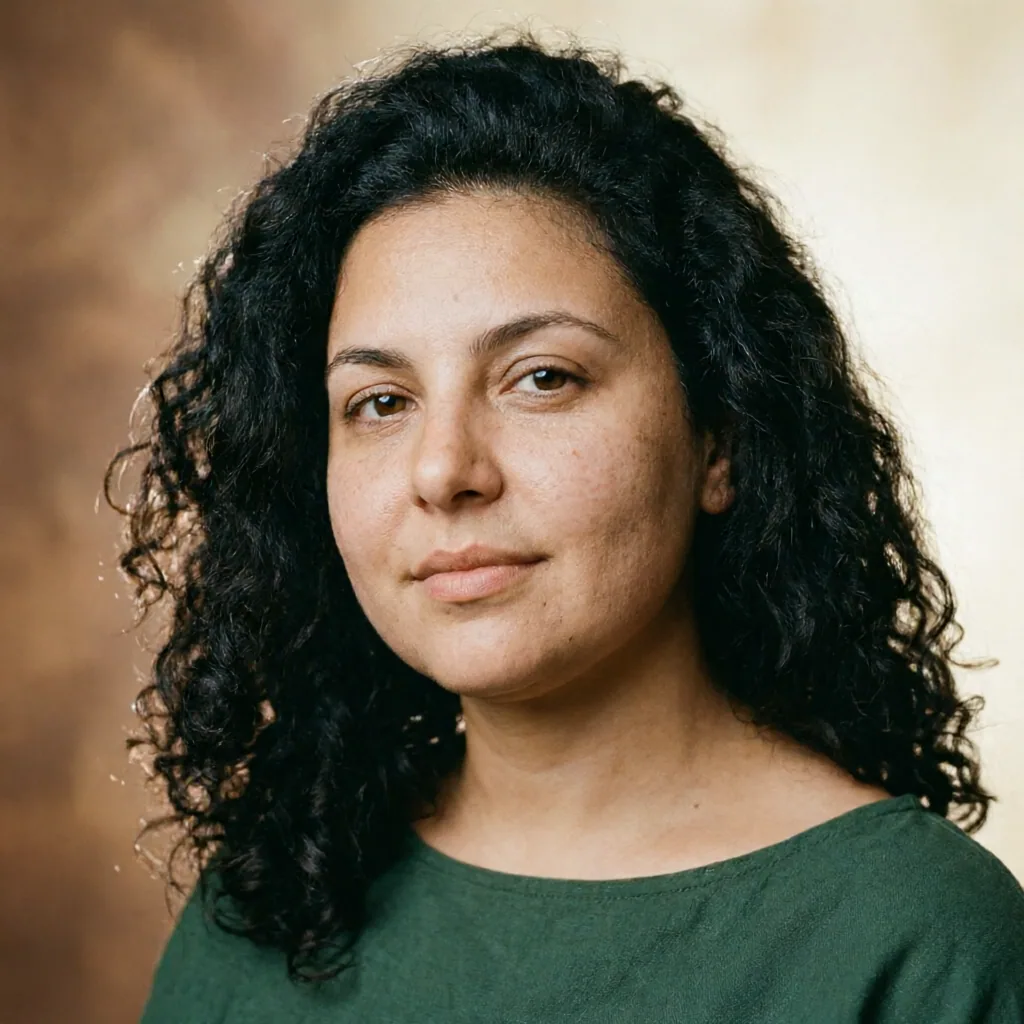
Before
Swipe to compare
Tap to enlarge
Overview
Bichectomy is a short surgical procedure — performed in 45 to 90 minutes under local anaesthesia — that removes the buccal fat pads (Bichat's fat pads) from inside the cheeks to create more defined cheekbones and a slimmer lower facial contour, with absolutely no external scars. Bichat's fat pads are two encapsulated fatty structures located deep within the cheeks, between the masseter and buccinator muscles. Their volume is largely genetically determined — they do not diminish through diet or exercise. When voluminous, they give the face a rounded or 'chubby' appearance even in slim individuals. Surgical removal creates a natural sub-cheekbone hollow and accentuates the malar prominences. The result is permanent: once removed, Bichat's fat pads do not regenerate.
Key Benefits
- Slimmer lower facial contour and more defined cheekbones
- Natural sub-cheekbone hollow
- Permanent result — Bichat's fat pads do not regenerate
- No external scars (intraoral approach)
- Outpatient procedure under local anaesthesia (45–90 min)
Exclusive Techniques
- Conservative approach: only the necessary volume is removed for a harmonious result
- Can be combined with facial fat grafting in the same operative session
Ideal Candidates
Ideal Candidates
- Round or full face due to voluminous Bichat fat pads, confirmed on clinical examination
- Seeking cheekbone definition and lower-face slimming
- Stable body weight for at least 6 months
- Good skin elasticity (firm skin, no significant laxity)
- Realistic expectations
Contraindications
- Already thin or gaunt faces
- Patients under 20 years old
- Women presenting with existing cheek skin laxity
- Patients with autoimmune conditions or anaesthesia contraindications
Procedure
Duration: 45 to 90 minutes
1
Pre-operative consultation
3D facial analysis, standardised photography, blood panel.
2
Preparation
Local anaesthesia with optional light sedation, oral disinfection.
3
Surgical phase
Micro-incision in jugal mucosa, bilateral symmetric excision, absorbable sutures.
4
Recovery and discharge
Patient returns home same day, 1–2 hours after the procedure.
Recovery
Recovery timeline
Days 1–3
Swelling and mild bruising. Liquid or soft diet. Mild discomfort managed with oral analgesics.
Days 4–7
Progressive reduction in oedema. Light activities and office work generally possible.
Weeks 2–4
Bruising resolves. New facial shape begins to emerge. Near-normal diet.
Months 1–3
Residual swelling fully resolves. Final result clearly visible from month 3.
Long term
Permanent result. Natural facial ageing continues, but Bichat fat pads will not return.
Post-operative care
- Rigorous oral hygiene (antiseptic mouthwash 3 times daily)
- Avoid hard or hot foods for 2 weeks
- Full sun protection
Important restrictions
- No intense physical activity for 3 weeks
Expected Results
Results timeline
Final result clearly visible from month 3 onwards, once residual swelling has fully resolved.
Longevity
Permanent: once removed, Bichat's fat pads do not regenerate.
What to expect
- Refined lower face
- Enhanced cheekbones
- Natural sub-cheekbone hollow
See our results
Discover our patients' transformations
Pricing
Starting from
12 000 MAD
Prices shown are estimates and may vary depending on the complexity of your case. A personalized quote will be provided during your consultation.
Frequently Asked Questions
No. The entire procedure is performed from inside the mouth. The incision in the inner cheek lining is completely invisible externally.
The procedure is performed under local anaesthesia (with optional sedation), so there is no pain during surgery. Moderate discomfort in the days following is easily managed with standard analgesics.
Yes. Bichat's fat pads are anatomically encapsulated structures: once removed, they do not regenerate.
Yes. Dr. Fathi frequently combines bichectomy with facial fat grafting or other facial rejuvenation techniques.
Most patients return to desk work after 5 to 7 days.
This is precisely what the initial consultation is designed to determine. Dr. Fathi performs a complete morphological assessment to evaluate whether your facial structure aligns with the procedure.
Facial liposuction suctions diffuse subcutaneous fat. Bichectomy removes a specific, anatomically defined structure — the buccal fat pad — located deep within the cheek. Both can be complementary but have distinct indications.
Questions about bichectomie-boules-de-bichat?
Chat directly with our team on WhatsApp for a quick and personalized response.