Facial Surgery
Facial Fat Grafting (Facial Lipofilling)
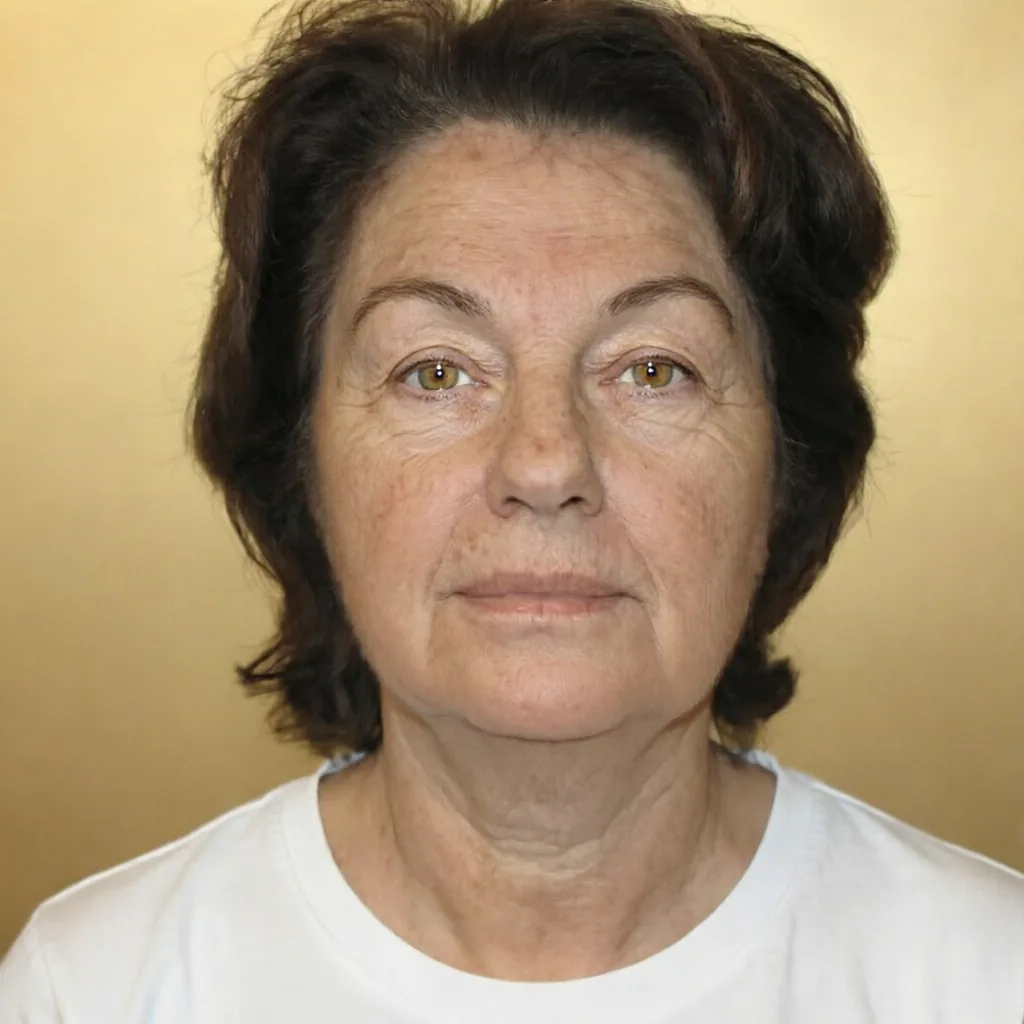
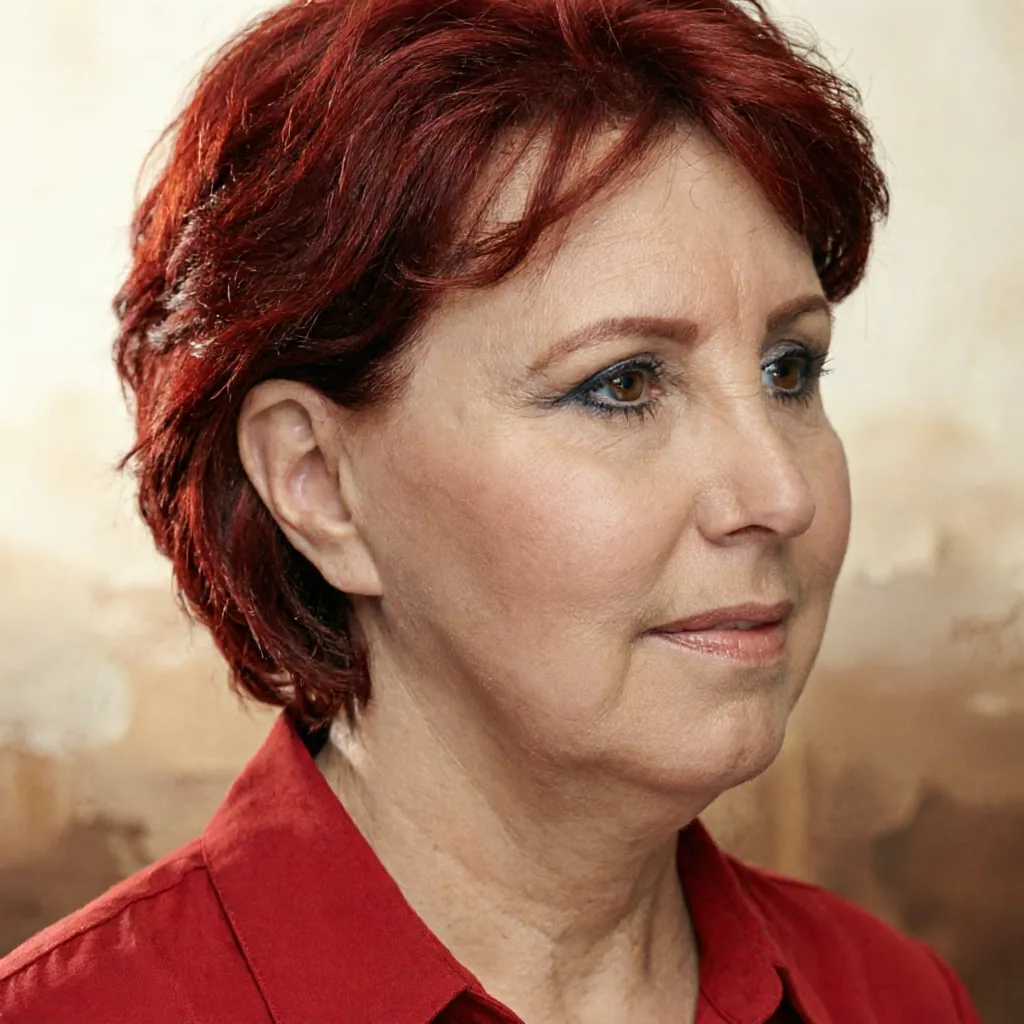
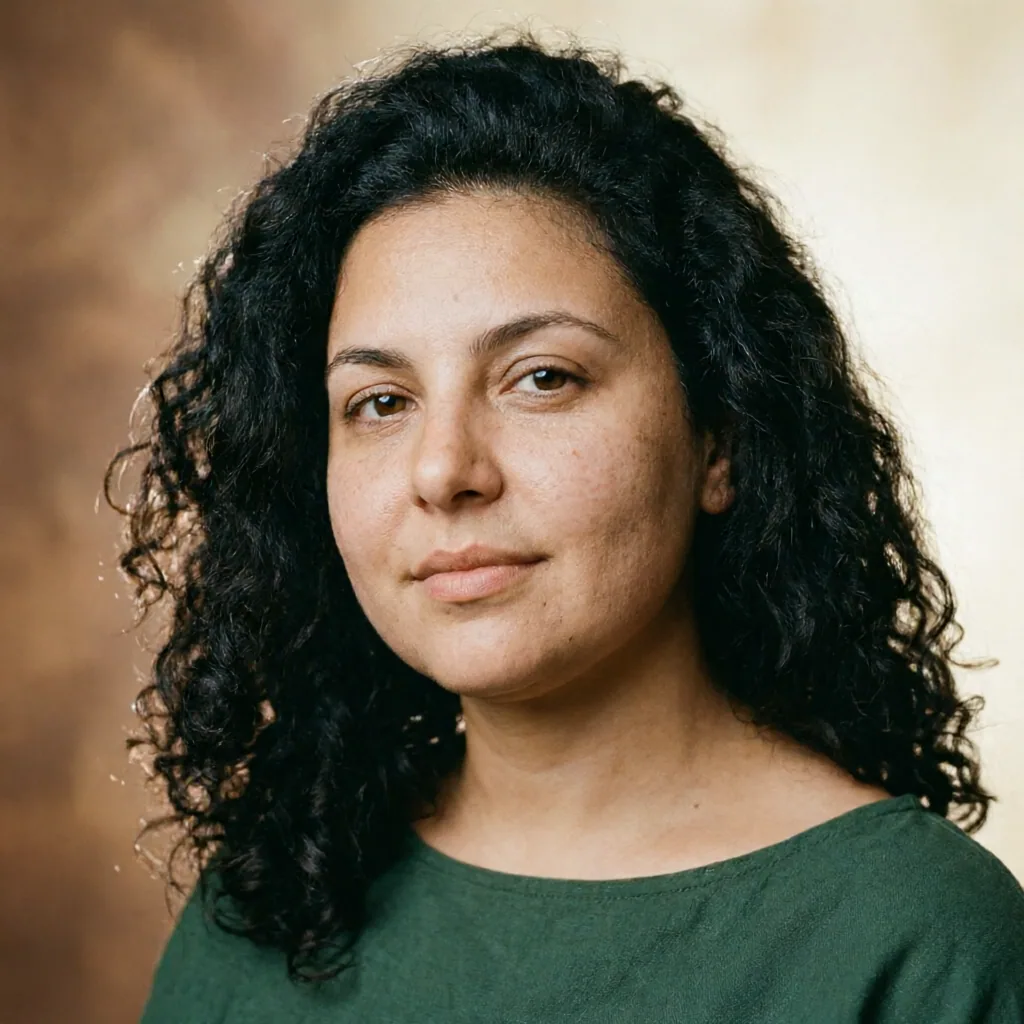
Facial fat grafting (also called autologous fat transfer or lipofilling) is a volumizing technique that uses the patient's own fat as a natural filler. Unlike synthetic hyaluronic acid fillers — which are temporary — autologous fat is living tissue that integrates permanently into facial structures once vascularized.
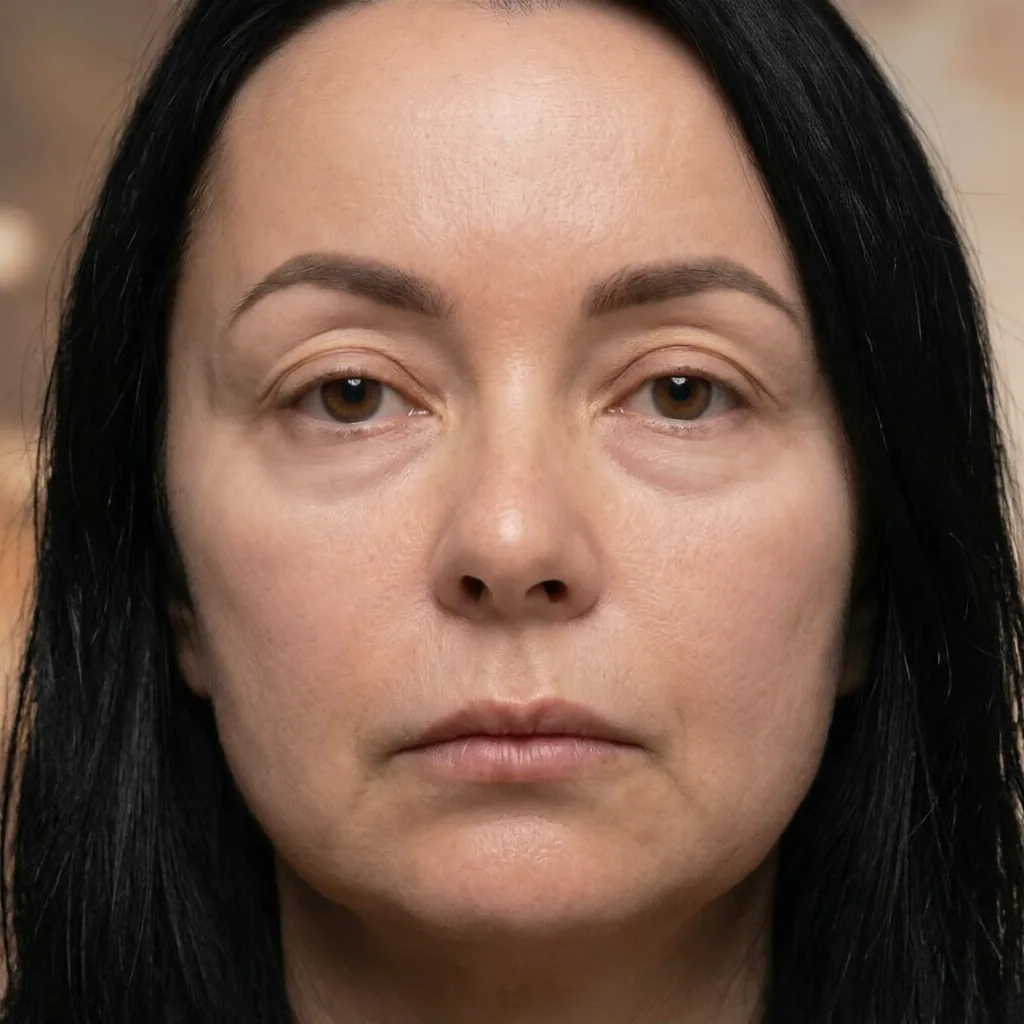
Before
Swipe to compare
Tap to enlarge
What Is Facial Fat Grafting?
Facial fat grafting (also called autologous fat transfer or lipofilling) is a volumizing technique that uses the patient's own fat as a natural filler. Unlike synthetic hyaluronic acid fillers — which are temporary — autologous fat is living tissue that integrates permanently into facial structures once vascularized.
Key Benefits
- Flat, deflated mid-face restored (cheeks)
- Hollow temples filled
- Dark, sunken under-eye circles improved
- Lips volumized naturally
- Smile lines softened
- Jawline redefined
- Periorbital area rejuvenated
Are You the Right Candidate?
Ideal Candidates
- Age-related facial volume loss — flat cheeks, hollow temples, sunken tear troughs
- Post-weight-loss facial thinning
- Facial reconstructive needs after surgery or trauma
- Desire for natural rejuvenation without implants or synthetic products
- An available donor site with sufficient harvestable fat
Contraindications
- Very low BMI with insufficient donor fat
- Active autoimmune conditions or healing disorders
- Anticoagulant therapy that cannot be safely modified
- Active smoking (cessation minimum 4 weeks before surgery mandatory)
The Gcell Technique — Dr. Fathi's Advanced Approach
Duration: 1.5 to 3 hours depending on zones treated
1
Atraumatic Fat Harvesting
A micro-cannula is introduced through tiny incisions (2–3 mm) in the donor site (abdomen or flanks). Fat is harvested by gentle low-pressure aspiration to preserve adipocyte integrity.
2
Purification and Gcell Enrichment
The harvested fat undergoes controlled centrifugation. In the Gcell protocol, the stromal vascular fraction (SVF) — containing mesenchymal stem cells and growth factors — is isolated and blended back into the purified fat, promoting superior neovascularization.
3
Micro-Parcel Reinjection
Dr. Fathi rejects the fat using ultra-fine cannulas (0.7–1.2 mm diameter), depositing micro-aliquots (~0.1 ml per pass) in multiple planes and directions. This maximizes surface contact between injected fat and vascularized recipient tissue.
4
Final Contouring
Volume and symmetry are assessed and fine-tuned before the patient leaves the operating room, ensuring a harmonious, balanced result across all treated zones.
Recovery Timeline and Results
Recovery timeline
Days 1–3
Significant facial swelling and diffuse bruising — expected, temporary.
Days 3–5
Mild discomfort at donor site (abdomen); managed with prescribed pain relief.
Weeks 1–2
Progressive swelling reduction; social activities can resume with light makeup.
Weeks 3–4
Bruising resolved; volumes beginning to take shape.
Months 1–3
Resorption phase — approximately 30–50% of injected fat resorbs; volume stabilizes.
Months 6–12
Final result: surviving fat is vascularized and permanent.
Post-operative care
- Avoid direct sun exposure for 6 weeks
- Wear a compression garment on the donor site
- Avoid vigorous facial massage for 3 months
Important restrictions
- Face will appear fuller than intended for the first 3 months — this is expected and intentional (Dr. Fathi over-injects to account for resorption)
Results
Results timeline
Resorption phase between months 1–3 (30–50% of injected fat resorbs). Final result at months 6–12: surviving fat is vascularized and permanent.
Longevity
The fat that integrates is permanent. The Gcell technique improves survival rates versus conventional fat grafting, particularly in low-vascularization zones.
What to expect
- Naturally rejuvenated, volumized facial appearance
- Projected and defined cheekbones
- Filled temples
- Improved under-eye hollowing
- Natural texture — no over-filled appearance
See our results
Discover our patients' transformations
Pricing
Starting from
20 000 MAD
This price includes
- Pre-operative consultation
- Fat harvesting and Gcell processing
- Micro-parcel multiplane reinjection across all target zones
- Anaesthesia
- Post-operative follow-up
Prices shown are estimates and may vary depending on the complexity of your case. A personalized quote will be provided during your consultation.
Frequently Asked Questions
HA fillers are synthetic, temporary products that last 12–18 months. Facial fat grafting uses your own living fat tissue which — once vascularized — integrates permanently. The result feels softer and more natural. The trade-off is that fat grafting requires surgery, anesthesia, and a recovery period.
No. Fat deposited in micro-parcels across multiple tissue planes integrates into the surrounding structures and does not migrate. Displacement is extremely rare.
Yes. A secondary lipofilling session can be performed 6–12 months after the initial procedure. Dr. Fathi will assess at your follow-up whether a complementary session would be beneficial.
Gcell is particularly recommended for smokers, zones with low vascularization (temples, tear troughs), and touch-up procedures. Dr. Fathi will recommend the appropriate protocol based on your individual profile.
Lipofilling corrects volume loss, not primarily wrinkles. For deep wrinkles with skin laxity, combining lipofilling with a deep-plane facelift provides the most comprehensive rejuvenation.
The harvesting incisions are 2–3 mm long — practically invisible by 3–6 months. The amount of fat removed is small and does not produce meaningful slimming at the donor site.
Yes, and this combination is among the most synergistic in facial rejuvenation. Blepharoplasty removes excess eyelid skin while lipofilling restores periorbital volume — together they deliver a fully rejuvenated eye area.
Questions about lipofilling-visage-global?
Chat directly with our team on WhatsApp for a quick and personalized response.