Facial Surgery
Otoplasty — Prominent Ear Correction
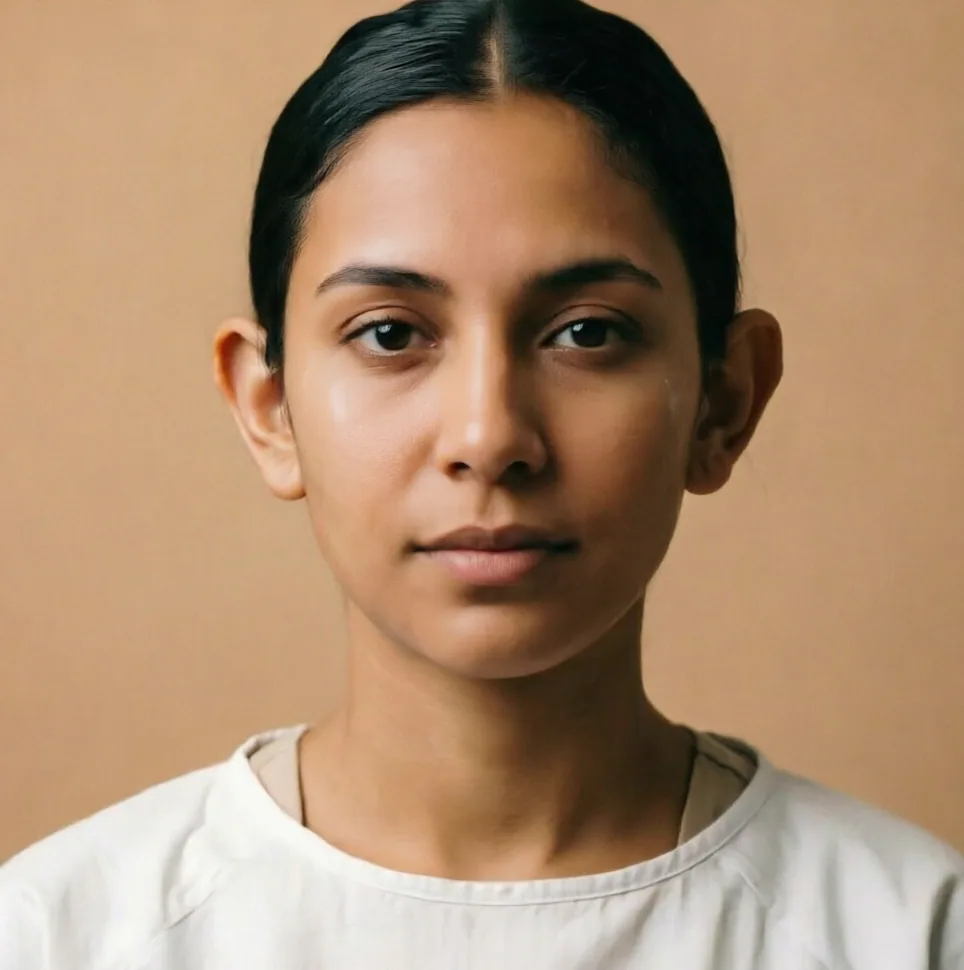
Otoplasty (also called pinnaplasty or ear pinning surgery) is a surgical procedure that corrects the position and shape of ears that protrude too far from the head. The medical term is prominent ears — defined by an auriculo-cephalic angle greater than 35–40 degrees, compared to the aesthetic norm of 15–25 degrees. It is a precise, three-dimensional cartilage reconstruction that recreates natural ear anatomy.
Before
Swipe to compare
Tap to enlarge
What Is Otoplasty?
Otoplasty (also called pinnaplasty or ear pinning surgery) is a surgical procedure that corrects the position and shape of ears that protrude too far from the head. The medical term is prominent ears — defined by an auriculo-cephalic angle greater than 35–40 degrees, compared to the aesthetic norm of 15–25 degrees. It is a precise, three-dimensional cartilage reconstruction that recreates natural ear anatomy.
Key Benefits
- Permanent correction of prominent ears
- Scar completely hidden behind the ear
- Can be performed from age 6–7 in children
- Suitable for adults at any age
- Prevents school bullying and boosts self-esteem in children
Are You the Right Candidate?
Ideal Candidates
- Children from age 6–7 (ear cartilage at ~90% of adult size, still soft)
- Adults at any age with stable ear anatomy
- No active ear infection or skin condition
- Personal motivation (never under external pressure for children)
- Good general health, no bleeding disorders
Contraindications
- Active ear growth (too young)
- Active ear infection
- Sole parental decision without child's own wish
- Uncontrolled bleeding disorders
Dr. Nahed Fathi Ahmed's Technique
Duration: 1 to 2 hours
1
Preoperative consultation
Morphological analysis of both ears, standardized photography, surgical plan discussion, technique selection.
2
Anesthesia
General anaesthesia for children; local anaesthesia with light sedation available for adults.
3
Retroauricular incision
Traced precisely in the natural fold behind the ear.
4
Cartilage treatment
Scoring, conchal reduction, or cartilage thinning as required.
5
Permanent suture placement
Mustardé and/or Furnas techniques, calibrated to achieve the correct auriculo-cephalic angle.
6
Symmetry verification
Dr. Fathi assesses both ears simultaneously before closure.
7
Compressive bandage
Headband applied immediately in the operating room.
Recovery Timeline and Results
Recovery timeline
Days 1–3
Compressive bandage worn; mild to moderate discomfort; prescribed pain relief.
Day 5–7
Initial bandage removal at follow-up consultation; elastic headband use begins.
Weeks 1–2
Mild swelling and bruising behind the ear — well concealed by hair.
Weeks 3–6
Headband worn only at night; full normal daily activities.
Week 6
Headband discontinued; near-final result visible.
Months 3–6
Complete resolution of any residual swelling; scar fully faded.
Post-operative care
- Headband full-time (day and night) for 2 weeks, then nights only for 4 additional weeks — total 6 weeks
- Light activities from 3 weeks
Important restrictions
- Contact sports (boxing, martial arts, rugby) not recommended before 2 months
Results
Results timeline
Near-final result visible at 6 weeks; complete final result at 3–6 months after full swelling resolution.
Longevity
Permanent. The Mustardé and Furnas permanent sutures hold the cartilage in its new position indefinitely. Revision surgery is very rarely needed.
What to expect
- Symmetrical ears with natural auriculo-cephalic angle (15–25 degrees)
- Scar invisible from front, nearly invisible from the side
- Natural-looking result — not detectable as surgical
- Significant positive impact on self-confidence
See our results
Discover our patients' transformations
Pricing
Starting from
16 000 MAD
This price includes
- Pre-operative consultation
- Surgical procedure (Mustardé and/or Furnas technique)
- Anaesthesia
- Dressings and post-operative follow-up
- Compression headband
Prices shown are estimates and may vary depending on the complexity of your case. A personalized quote will be provided during your consultation.
Frequently Asked Questions
Dr. Fathi recommends age 6–7 as the earliest appropriate age, by which time the ear has reached approximately 90% of its adult size and the cartilage is still soft. The child should also be able to express their own desire for the surgery.
Yes. The permanent sutures used in the Mustardé and Furnas techniques hold the cartilage in its new position indefinitely. The ear position remains stable for life. Revision surgery is very rarely needed.
No. The incision is placed in the retroauricular sulcus — the natural fold behind the ear — making it invisible from the front and nearly invisible from the side. By 3–6 months, the scar is fine, pale, and undetectable.
Yes. Otoplasty can be performed on a single ear to correct isolated asymmetry. Dr. Fathi assesses both ears in consultation and designs a plan that achieves optimal bilateral harmony.
Absolutely. Otoplasty pairs well with a bichectomy to refine the facial oval, or with a blepharoplasty in a broader facial rejuvenation program. Dr. Fathi evaluates combination feasibility in consultation.
Adults may choose between general anesthesia and local anesthesia with light sedation. Under local anesthesia, a topical cream (EMLA) and local infiltration are used — the patient is comfortable, the operative time is identical (1–2 hours), and recovery is faster.
No specific preparation is needed. Bring any previous photos if relevant, and be ready to describe how the ear prominence affects your daily life. Children should be included in the conversation so their own feelings and wishes are heard.
Questions about otoplastie-oreilles-decollees?
Chat directly with our team on WhatsApp for a quick and personalized response.