Body Contouring Surgery
Complete Post-Bariatric Body Contouring
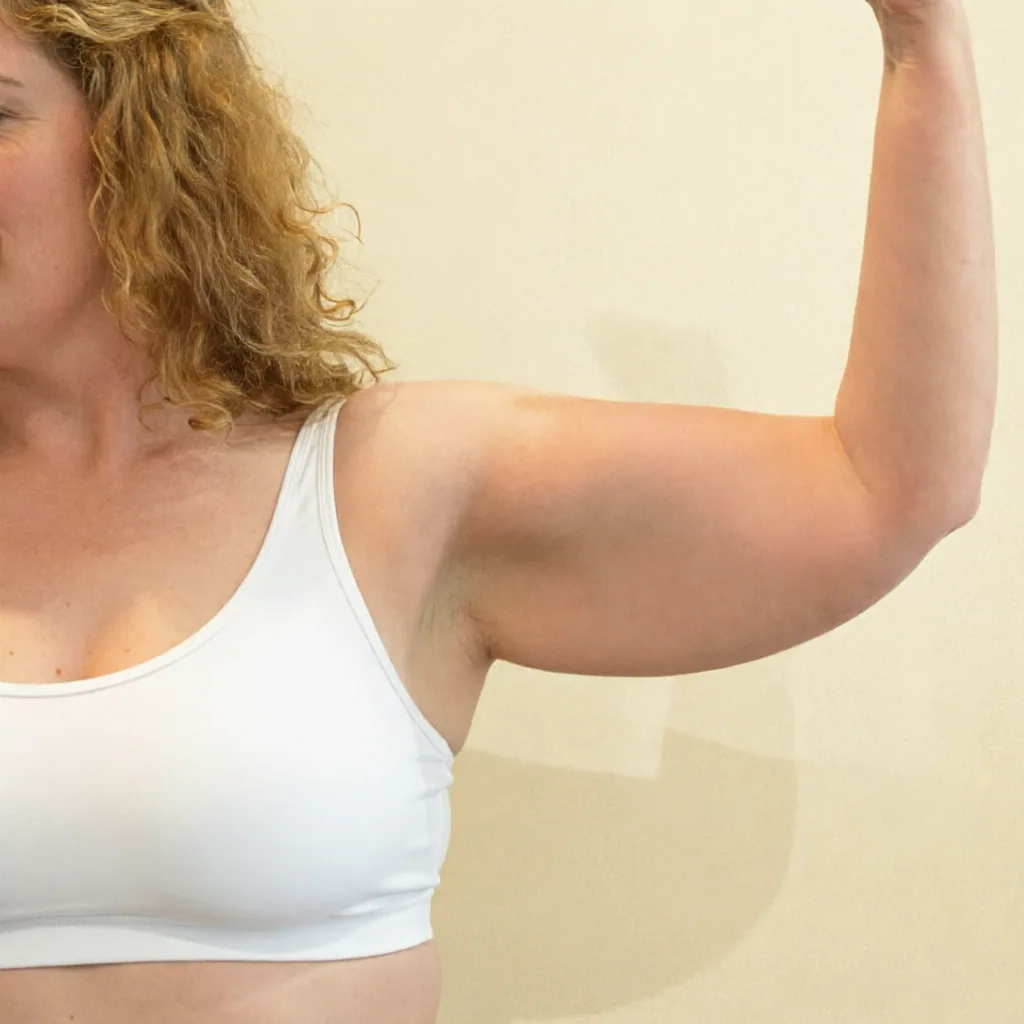
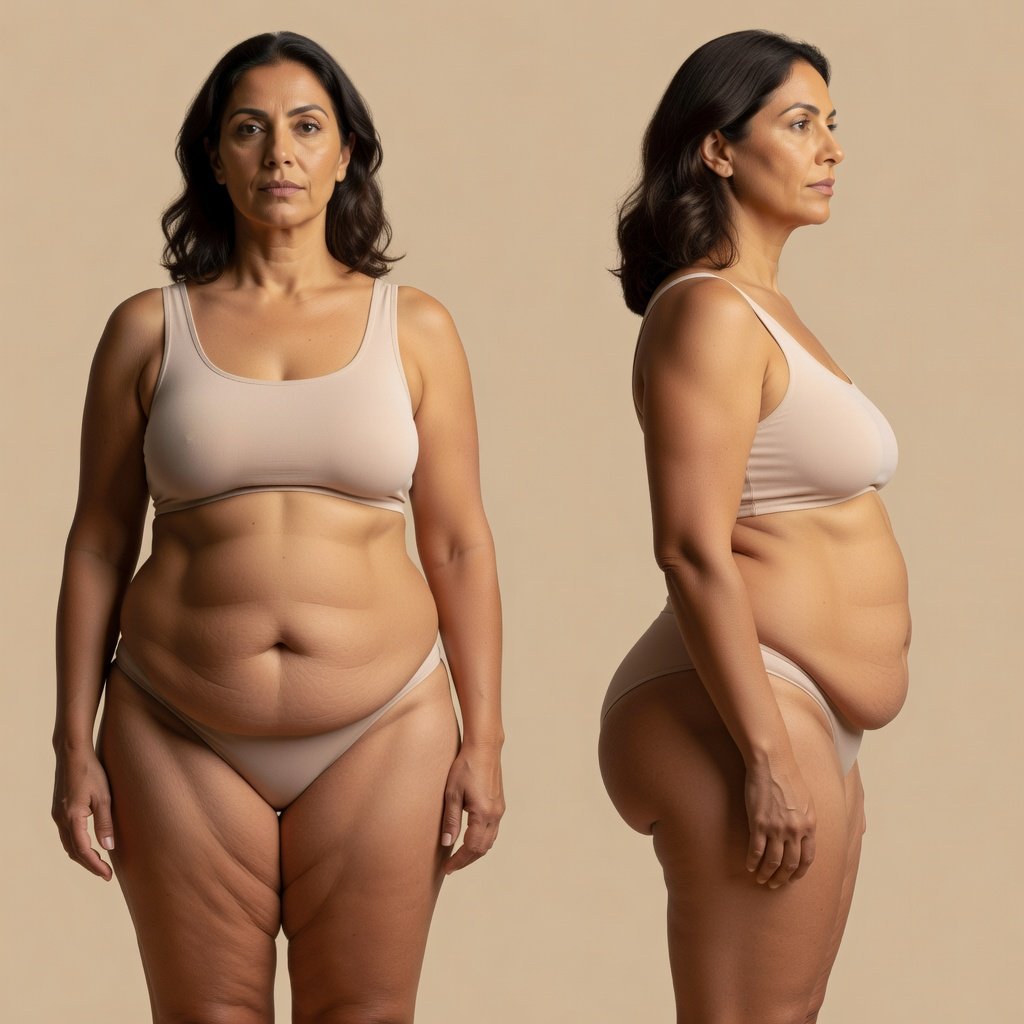
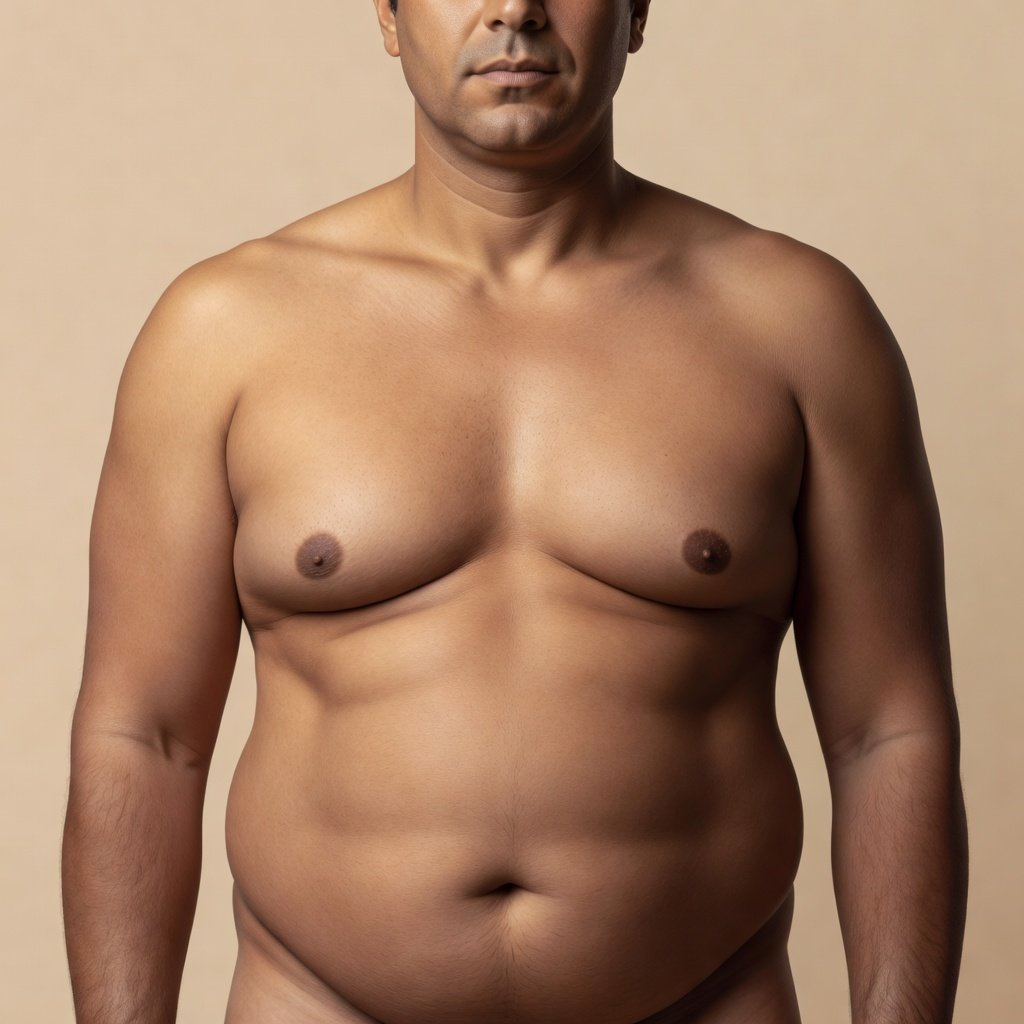
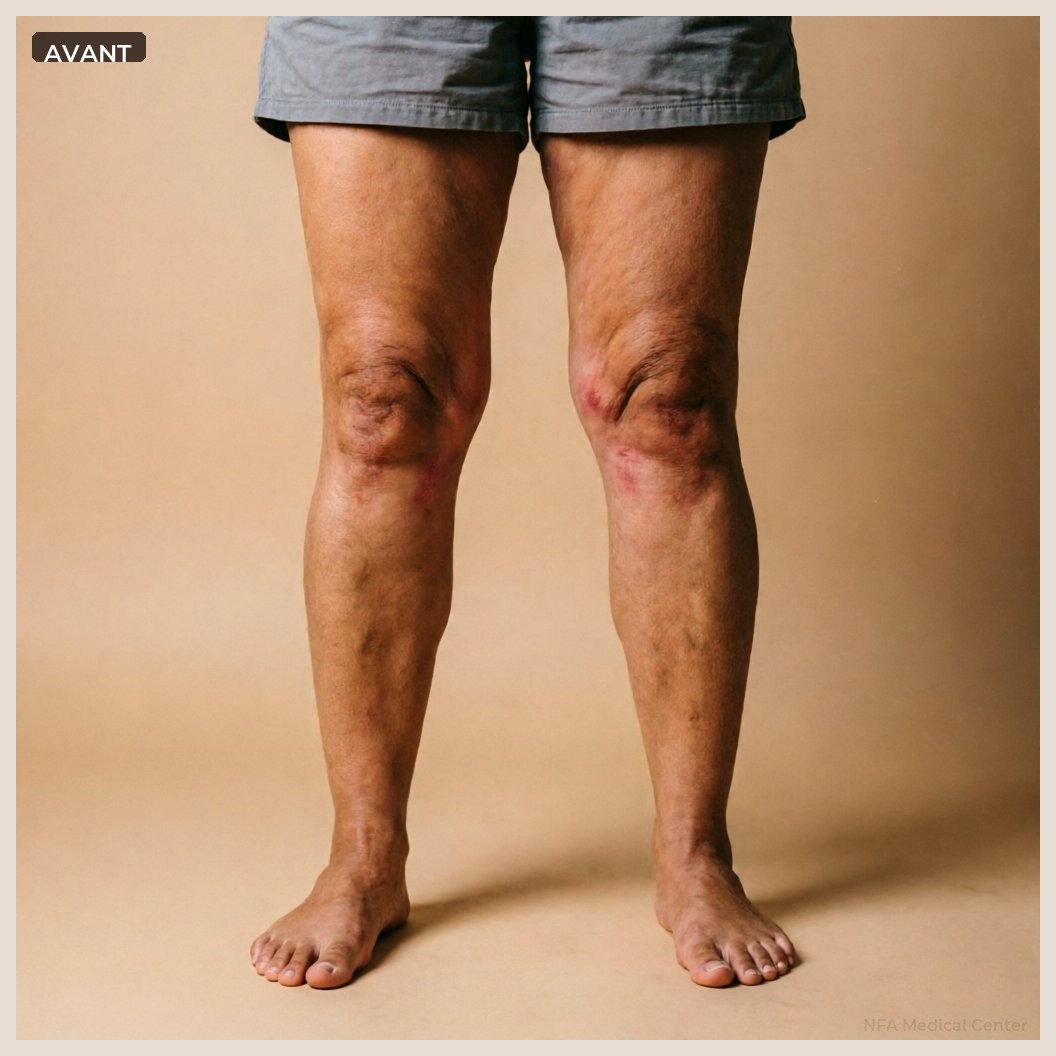
After massive weight loss — typically exceeding 30 to 50 kg — the skin that has been stretched over many years loses its elasticity and cannot retract on its own. This results in ptosis (sagging) and redundant skin folds across multiple body zones: abdomen (overhanging apron), arms (bat-wing deformity), thighs (medial skin folds), back (horizontal and vertical rolls), breasts (significant ptosis), and pubic area. These sequelae are not purely aesthetic — chronic dermatological complications such as recurring fungal infections and friction wounds are common consequences of persistent skin folds. Post-bariatric body contouring addresses exactly this barrier to a positive body image.
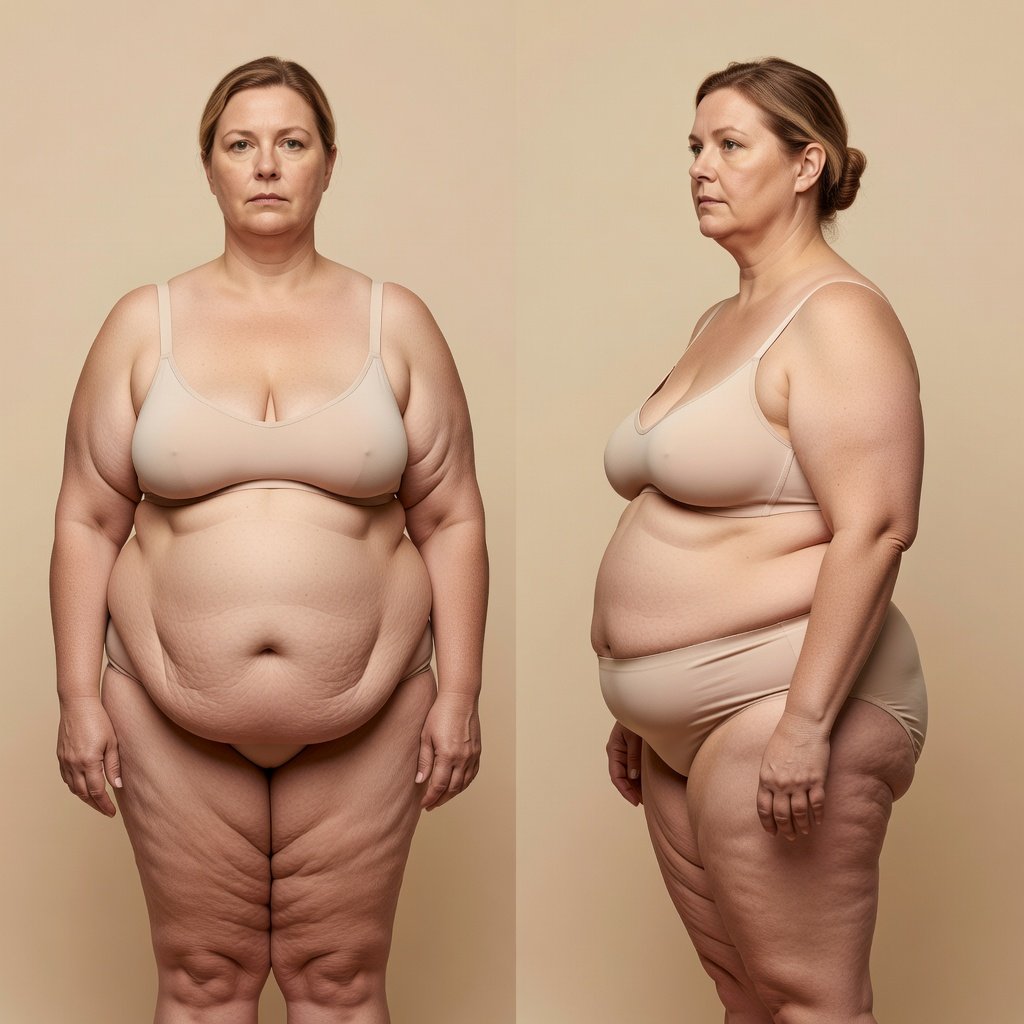
Before
Swipe to compare
Tap to enlarge
What Is Post-Bariatric Body Contouring?
After massive weight loss — typically exceeding 30 to 50 kg — the skin that has been stretched over many years loses its elasticity and cannot retract on its own. This results in ptosis (sagging) and redundant skin folds across multiple body zones: abdomen (overhanging apron), arms (bat-wing deformity), thighs (medial skin folds), back (horizontal and vertical rolls), breasts (significant ptosis), and pubic area. These sequelae are not purely aesthetic — chronic dermatological complications such as recurring fungal infections and friction wounds are common consequences of persistent skin folds. Post-bariatric body contouring addresses exactly this barrier to a positive body image.
Key Benefits
- Comprehensive personalized program addressing all affected zones
- Staged two-surgery approach for optimal patient safety
- Procedures include abdominoplasty, body lift, arm lift, thigh lift, mastopexy
- Coordination with nutritional and bariatric surgical teams
- Carefully positioned scars in anatomically discreet zones
- Significant improvement in functional health and body image
Candidacy Requirements
Ideal Candidates
- Weight stability ≥ 12 months without variation exceeding 5 kg
- BMI ≤ 35 (ideally ≤ 30)
- Serum albumin > 35 g/L (adequate nutritional status)
- Complete smoking cessation ≥ 6 weeks before each procedure
- Anemia corrected prior to any surgery
- Delay since bariatric surgery ≥ 18 months
Contraindications
- Uncorrected nutritional deficiency (formal surgical contraindication)
- Weight instability (variation > 5 kg in past 12 months)
- Active smoking
- BMI > 35
- Uncontrolled cardiovascular conditions
- Uncontrolled diabetes
Dr. Nahed Fathi Ahmed's Approach
Duration: 4 to 6 hours (first surgery), 3 to 5 hours (second surgery)
1
Comprehensive pre-operative consultation
Standardised photographic assessment in 8 positions, complete clinical examination, mapping of all skin excess zones, and skin quality analysis.
2
Surgical candidacy evaluation
Verification of weight stability (≥12 months), nutritional status (proteins, iron, vitamins B12/D, zinc), BMI (ideally ≤35), and complete smoking cessation.
3
Staged treatment plan
Personalized plan across 2 surgical stages with minimum 6-month interval. Procedures prioritized by functional complaints and patient aesthetic priorities.
4
First surgery — Body Lift / Abdominoplasty
Most frequently prioritized first: circumferential body lift or extended abdominoplasty addressing abdomen, flanks, and gluteal region. Duration: 4 to 6 hours. Hospital stay: 2 to 3 nights.
5
Second surgery — Arms, Thighs, Breasts
Brachioplasty and cruroplasty performed at the second stage, frequently combined. Breast surgery may be integrated or scheduled separately. Duration: 3 to 5 hours.
6
Post-operative follow-up
Regular control appointments, lymphatic drainage strongly recommended, mandatory abdominal compression garment for 6 to 8 weeks.
Recovery Calendar by Procedure
Recovery timeline
Days 1–5
Hospital stay. Abdominoplasty/Body Lift: assisted mobilization, surgical drains. Arm Lift/Thigh Lift: short hospital stay, limb elevation maintained.
Week 1–3
Abdominoplasty/Body Lift: strict rest, mandatory abdominal compression garment. Arm/Thigh Lift: compression bandages, limited arm extension.
Week 4–6
Abdominoplasty/Body Lift: progressive return to sedentary activities. Arm/Thigh Lift: return to daily life activities.
Month 2–3
Normal walking, gentle exercise begins. Full mobility recovered.
Month 6–12
Scars in maturation phase. Stable final results.
Post-operative care
- Abdominal compression garment mandatory 24h/day for 6 to 8 weeks following body lift or abdominoplasty
- Post-operative lymphatic drainage strongly recommended from Day 4 onward
- Regular nutritional follow-up to maintain results
Important restrictions
- No sport before 6 to 8 weeks
- No heavy lifting for 6 weeks
- Long-term stable weight maintenance essential
Results and Durability
Results timeline
Scars enter maturation phase at 6 to 12 months. Stable final results visible from 6 months post-procedure.
Longevity
Results are long-lasting when weight remains stable. Significant weight regain may cause partial recurrence of skin ptosis. Long-term dietary follow-up is essential.
What to expect
- Harmonious silhouette after an exceptional weight loss journey
- Resolution of chronic functional dermatological complications
- Long but carefully positioned scars (below bikini line, inner arm/thigh surfaces)
- Significant improvement in body image and quality of life
See our results
Discover our patients' transformations
Pricing — Personal Consultation
Estimated price
Fee upon consultation
This price includes
- Standardised photographic assessment in 8 positions
- Personalized staged treatment plan
- Each surgical procedure and hospital stay
- Post-operative compression garment
- Complete post-operative follow-up
Prices shown are estimates and may vary depending on the complexity of your case. A personalized quote will be provided during your consultation.
Frequently Asked Questions
Dr. Fathi recommends waiting at least 18 months after bariatric surgery, with documented weight stability over 12 consecutive months.
Patient safety is the absolute priority. Combining too many procedures in a single anesthetic session significantly elevates thromboembolic and infectious risk. Spacing operations by 6 months limits anesthetic duration and enables nutritional status optimization between stages.
These procedures produce long scars, but they are carefully positioned in anatomically discreet zones: below the bikini line for abdominoplasty, inner arm surface for brachioplasty, inner thigh surface for cruroplasty. Scars fade progressively over 12 to 18 months.
In Morocco, procedures with a documented functional component — such as abdominal ptosis causing recurrent skin infections — may be eligible for partial coverage. Dr. Fathi can provide a detailed medical certificate outlining functional indications.
Significant weight regain may cause partial recurrence of skin ptosis and compromise results. Long-term maintenance of stable weight through regular dietary follow-up is essential.
Yes. This combination is frequently performed at the second operative stage. The combined procedure typically lasts 3 to 5 hours, with a 2-night hospital stay.
Questions about chirurgie-post-bariatrique-complete?
Chat directly with our team on WhatsApp for a quick and personalized response.