Breast Reduction in Morocco — Why So Many European Women Make the Journey
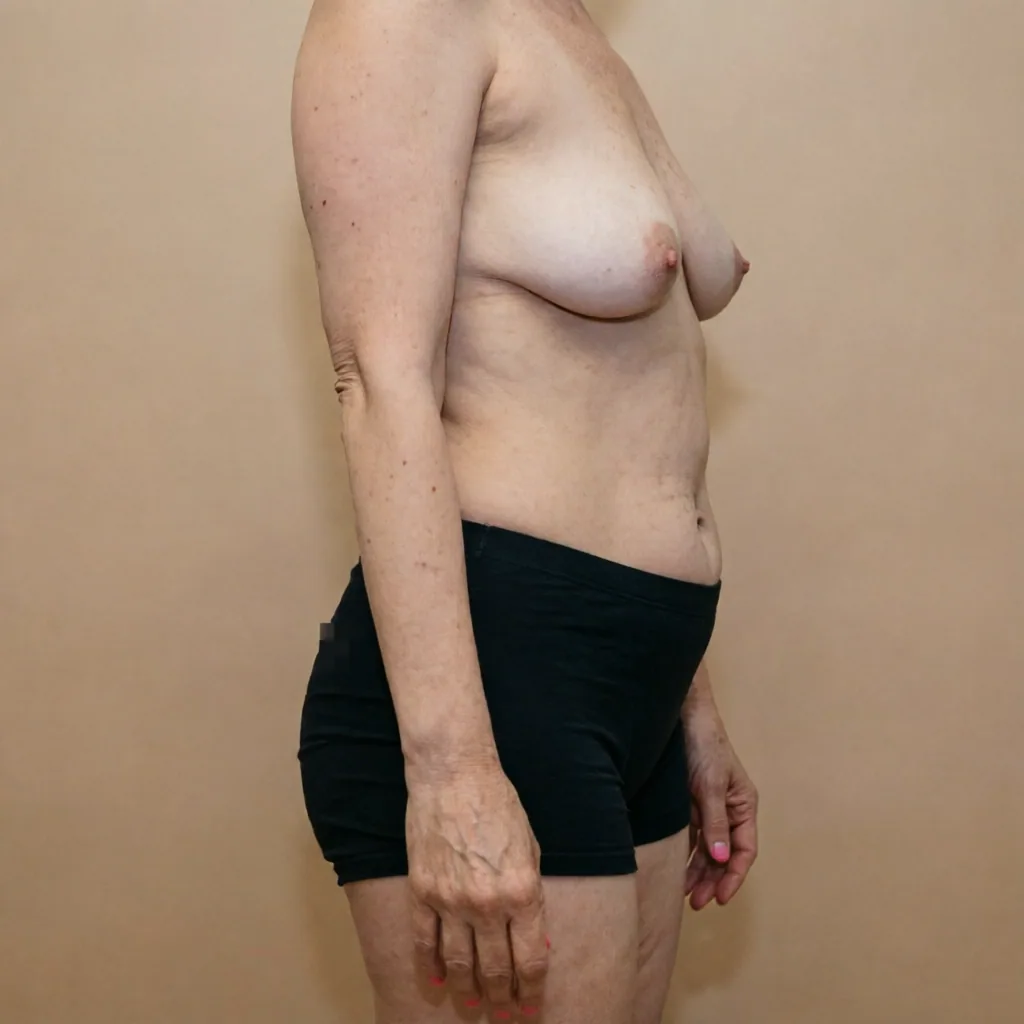
Breast reduction (reduction mammoplasty) is one of the most medically justified procedures in plastic surgery and yet, for many women in Europe, one of the hardest to access quickly. In the UK, the NHS applies strict criteria that exclude the majority of applicants, and private costs are considerable. In France and Belgium, reimbursement through social security covers only a fraction of costs, and waiting periods for covered procedures can be long. The clinical reality is that large breasts cause real, measurable health problems: chronic neck and shoulder pain, skin irritation and fungal infections beneath the breast fold, postural issues, and in some cases restricted breathing during physical activity. These are not cosmetic inconveniences — they are medical conditions. At NFA Medical Center, Dr. Nahed Fathi Ahmed performs breast reduction with the same techniques used in European specialist centres, in a clinic equipped to the standard she was trained in at CHU Avicenne. The procedure removes excess glandular tissue, fat, and skin, and repositions the nipple-areola complex to a natural anatomical height. Scar placement — periareolar, vertical, or inverted-T — is chosen to minimize visibility based on the volume being reduced. Recovery typically follows this timeline: discharge from the clinic within 24 to 48 hours, return to light activity after 10 to 14 days, and a supportive bra worn for 4 to 6 weeks. The final result is visible from around 3 months once swelling has resolved.